
Pointe Work at CAPA:
Earned, Not Rushed.
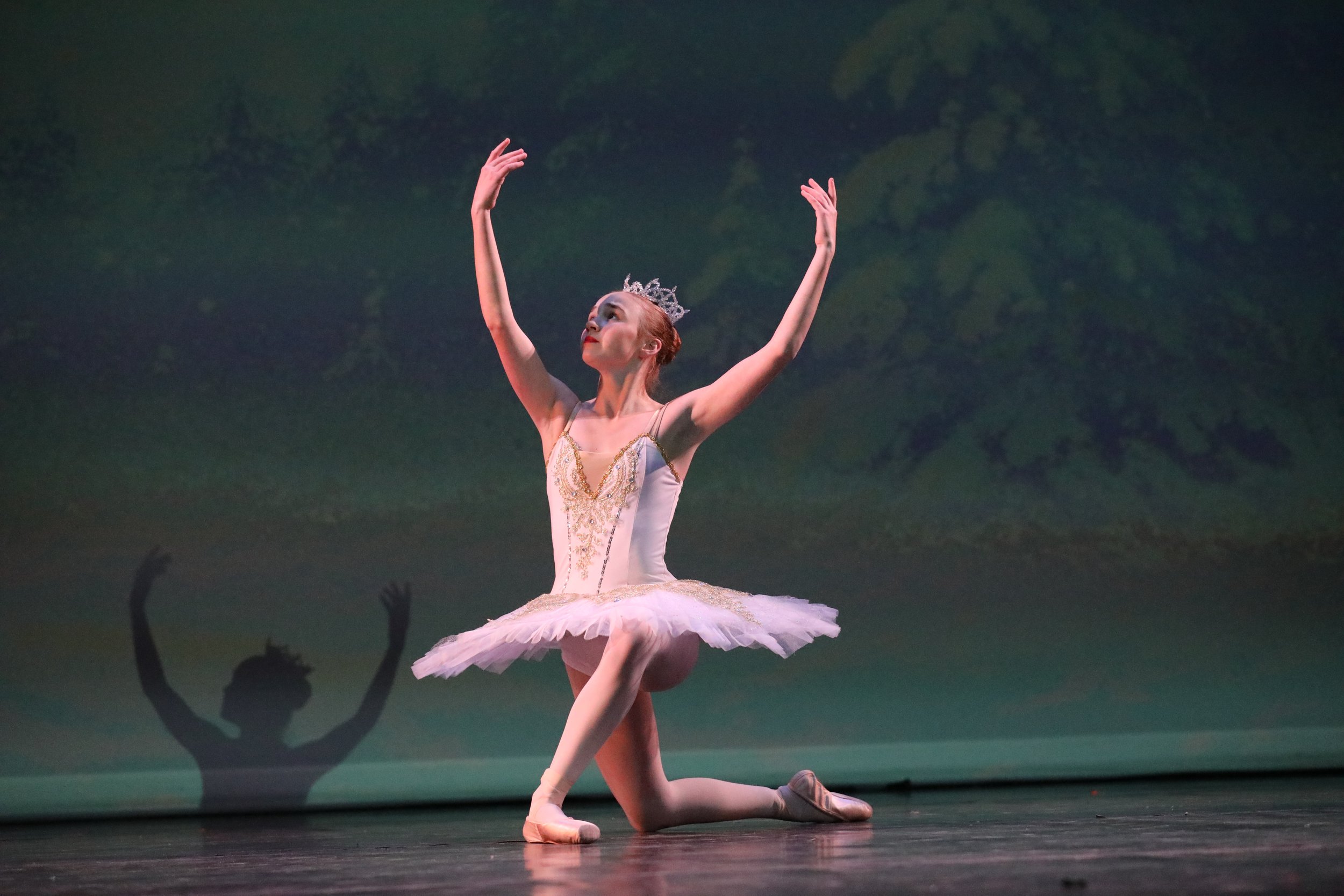
Pointe at CAPA.
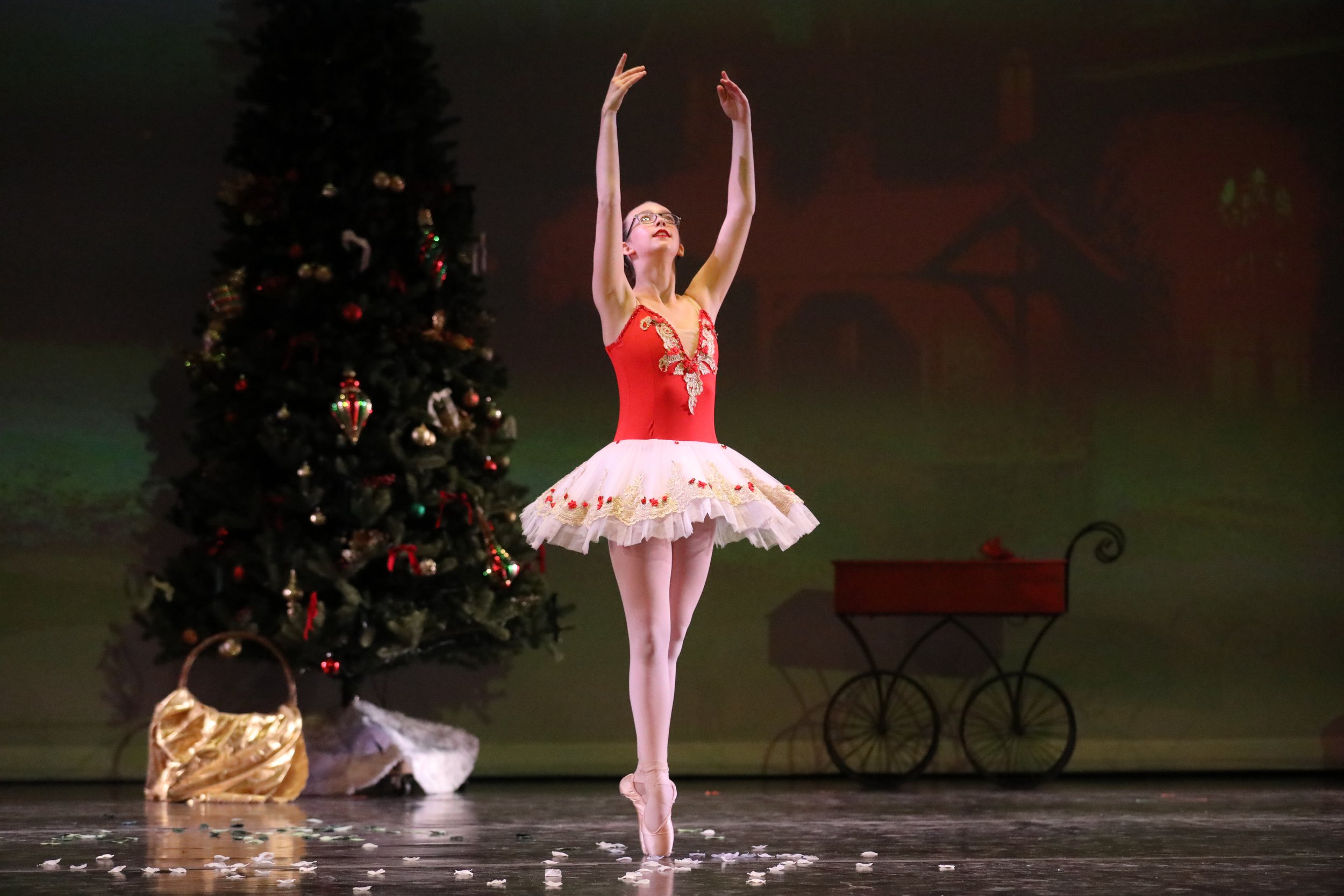
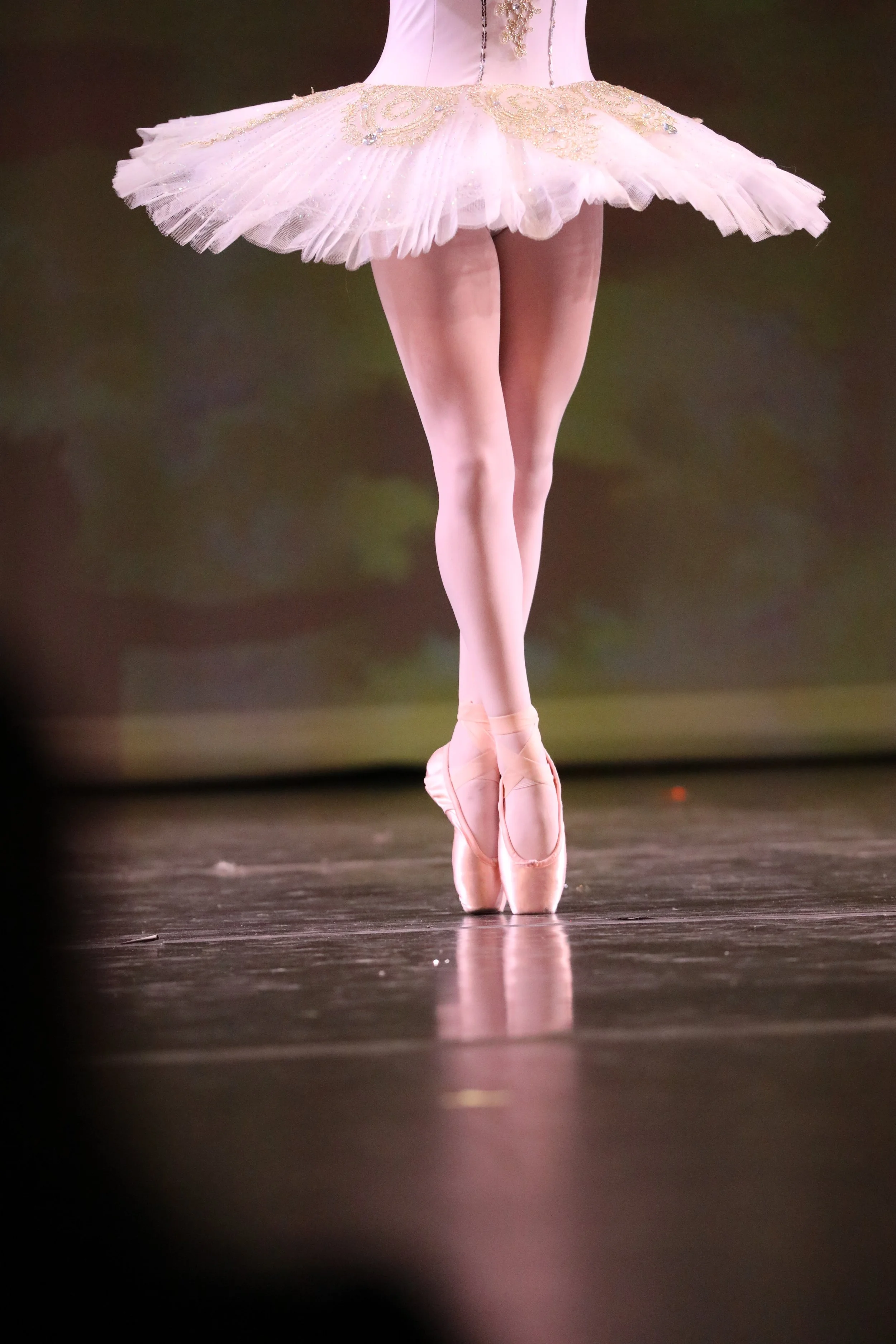
At Carrington and Crafton Academy of Performing Arts (CAPA), pointe work is treated as a serious technical milestone, not simply a class progression. Dancing en pointe places significant physical demands on the body and requires strength, alignment, consistency, and maturity. For this reason, CAPA maintains clear, structured guidelines to ensure the health, safety, and long-term success of each dancer.
Eligibility Requirements for Pointe Consideration
To be considered for pointe work at CAPA, students must meet all of the following requirements:
Complete at least one full, consecutive year of Pre-Pointe at CAPA
Demonstrate consistent attendance in Pre-Pointe, with minimal absences
Show appropriate strength, technique, alignment, and readiness throughout the year
Receive explicit approval from Miss Chelsea before enrolling in Pointe I
Completion of Pre-Pointe does not automatically guarantee placement in Pointe I. Each dancer is evaluated individually to ensure readiness.
Class Requirements After Pointe Approval
Once a student is approved for Pointe I, the following requirements apply:
Dancers must be enrolled in Pointe I
Dancers must also take a minimum of two ballet technique classes per week, in addition to Pointe I
Ballet classes must be taken consistently throughout the year to support pointe training
Pointe work cannot safely exist in isolation. Ongoing ballet technique is essential for strength, alignment, and injury prevention.
Attendance Expectations
Consistent attendance is critical for dancer safety and progress. After joining Pointe I:
Students may not exceed 2–3 absences per semester in ballet or pointe classes
Excessive absences may result in:
Loss of pointe privileges
Removal from Pointe I
Requirement to return to Pre-Pointe for further strengthening
These policies are in place to protect dancers from injury and ensure they are physically prepared for the demands of pointe work.
Guidelines for Maintaining Pointe Placement
To remain en pointe at CAPA, dancers must:
Maintain consistent attendance in all required classes
Continue demonstrating proper technique, strength, and alignment
Follow all instructor guidance regarding readiness and progression
Wear properly fitted pointe shoes as directed
Replace pointe shoes as needed to ensure adequate support
CAPA reserves the right to reassess pointe placement at any time if safety concerns arise.
Why These Guidelines
Are Necessary: Health & Safety
Pointe work places intense stress on a dancer’s body. Without proper preparation and consistency, dancers are at risk for serious injury. These guidelines help prevent:
Stress fractures in the feet and ankles
Tendonitis and ligament injuries
Chronic ankle instability
Knee, hip, and lower back injuries caused by poor alignment
Muscle imbalances and overuse injuries
Long-term damage that can shorten or end a dancer’s training
Pre-Pointe and consistent ballet training build:
Ankle and foot strength
Core stability
Proper alignment and placement
Muscle control and balance
Awareness of safe technique
Skipping steps or missing classes compromises these foundations and increases injury risk.
Our Commitment to Dancer Safety
At CAPA, our priority is the long-term health, confidence, and success of every dancer. Pointe work is a privilege earned through dedication, consistency, and readiness. These policies ensure that dancers are supported, prepared, and able to grow safely and confidently.
If you have questions about pointe readiness or placement, we encourage open communication and are always happy to discuss a dancer’s progress and goals.
Parent FAQ: Pointe at CAPA.
How old does my child need to be to begin Pointe I?
Students must be at least 11 years old to be considered for Pointe I. Age alone does not determine readiness, but this minimum helps ensure adequate physical development and bone strength for safe pointe work.
Does completing Pre-Pointe automatically place my child in Pointe I?
No. Completion of Pre-Pointe does not guarantee placement in Pointe I. Each dancer must receive approval from Miss Chelsea based on strength, technique, alignment, maturity, and consistency.
Why must Pre-Pointe be completed at CAPA?
Pre-Pointe at CAPA is designed specifically around our training standards and expectations. Completing a full, consecutive year at CAPA allows instructors to accurately assess readiness and ensure safe progression.
Why is consistent attendance required?
Pointe work places significant stress on the feet, ankles, and lower body. Missing classes weakens strength, coordination, and muscle memory, increasing the risk of injury. Consistent attendance ensures dancers remain physically prepared and safe.
Why are multiple ballet classes required in addition to Pointe I?
Pointe technique relies on strong classical ballet fundamentals. Taking at least two ballet classes per week provides the necessary strength, alignment, and technique to safely support pointe work.
What happens if my child misses too many classes?
Students who exceed 2–3 absences per semester in ballet or pointe may lose pointe privileges or be required to return to Pre-Pointe. This decision is made solely with dancer safety in mind.
Can my child stay en pointe if they are struggling?
If a dancer shows signs of unsafe technique, fatigue, or regression, CAPA may reassess pointe placement at any time. This may include temporary or permanent removal from pointe until the dancer is ready again.
Why are these rules so strict?
Pointe work is physically demanding and can cause serious injury if introduced too early or without proper preparation. These guidelines protect dancers from stress fractures, chronic injuries, and long-term damage, allowing them to dance safely for years to come.
Who should I contact with questions about pointe readiness?
Families are encouraged to speak directly with Miss Chelsea regarding pointe readiness, expectations, and progress. Open communication is always welcome.